
Close
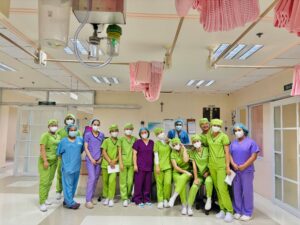
Among Indian nurses, Germany is one of the most popular destinations. While the country has a robust healthcare system, there is a growing number of skilled worker vacancies; thus, it is in the process of hiring foreign-qualified nurses. One of the most important prerequisites for this opportunity is the ability to speak German.
Below are the benefits of learning German for nurses planning to move abroad.
The requirements to work as a registered nurse in Germany include:
Nurses working in Germany earn one of the highest salaries in the world.
Your benefits include:
As one becomes better in the language, one also becomes better in:
For nurses intending to go overseas, German is a requirement, but more importantly, it is crucial for job security, higher earnings, and exposure to the global workforce. Germany offers tremendous opportunities for health care workers, especially with adequate preparation and certification.
Most German states require at least B1 German certification, but many employers prefer the B2 level for better communication and faster professional recognition.
B1 may allow you to begin the recognition process, but in many cases, B2 is required for full approval and permanent employment in hospitals
On average, it takes 5–7 months to complete B1 German, depending on the training schedule, practice level, and consistency.
No. German language proficiency is mandatory because nurses must communicate clearly with patients, doctors, and medical staff for safety and legal compliance