Close
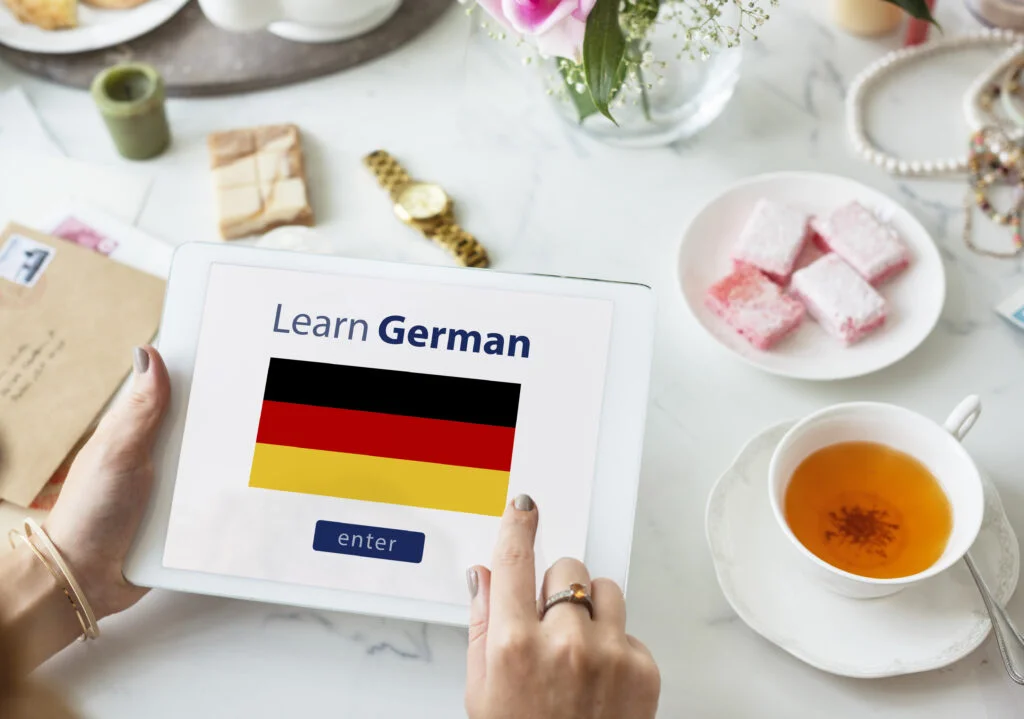
Learning German can open up numerous opportunities, whether you want to work, study, or live in a German-speaking country. However, mastering the German language in a short period requires the right strategies, resources, and dedication. In this blog post, we’ll share the best tips and tricks to help you learn German faster in 2025, so you can accelerate your language learning journey and achieve fluency with ease.
Why immersion works:
To learn any language faster, you must surround yourself with it. Immersing yourself in German will help you become more familiar with its structure, sounds, and vocabulary, leading to faster learning.
How to do it:
Pro Tip: Dedicate a minimum of 30 minutes daily to interact with German material. Consistent exposure will speed up your learning process. If you’re looking for a more structured learning path, PanSchul German Language Training Institute offers immersive language courses that can help you practice speaking, listening, and writing effectively.
Why speaking early helps:
One of the most common mistakes language learners make is waiting until they are “fluent” to start speaking. This leads to hesitation and slower progress. The sooner you start talking, the faster you’ll learn.
How to do it:
Pro Tip: No need to worry about mistakes! Speaking regularly is the key to fluency. If you’re looking for personalized speaking practice, institutes like PanSchul can connect you with certified teachers who will guide you in becoming more confident in speaking German.
Why vocabulary matters:
Learning a large number of words quickly is essential for rapid language acquisition. Focusing on the most frequently used words and phrases allows you to communicate effectively, even at an early stage.
How to do it:
Pro Tip: Aim to learn at least 10-20 new words per day for consistent vocabulary growth. Structured vocabulary-building programs, like those offered at PanSchul, can help you master essential words and phrases faster.
Why pronunciation matters:
German pronunciation may seem daunting, but mastering it early on ensures that you’re understood clearly by native speakers. Additionally, it’ll help with listening comprehension, which is crucial as you advance.
How to do it:
Pro Tip: Focus on tricky sounds like “ch,” “r,” and “z” as these are common stumbling blocks for learners. Enrolling in a course at PanSchul will provide you with targeted feedback on your pronunciation from experienced instructors.
Why grammar in context works:
Rather than memorizing long lists of grammar rules, learn them in context. By applying grammar in sentences, you’ll better understand how rules work and when to use them naturally.
How to do it:
Pro Tip: Start with basic sentence structures (subject-verb-object) before progressing to more complex ones (word order, tenses, cases). Institutes like PanSchul offer comprehensive grammar courses designed to help learners practice rules in real-world contexts.
Why tech tools are effective:
The use of language learning apps, AI-powered language tools, and interactive websites can significantly speed up your learning process. These tools offer personalized learning paths and allow for practice anytime, anywhere.
How to do it:
Pro Tip: Set daily goals in these apps to stay motivated and track your progress over time. For even faster learning, consider joining an immersive course at PanSchul, where technology and expert instruction work together to boost your skills.
Why accent variation is important:
German is spoken in various regions with noticeable accent differences. To understand the language in real-life situations, it’s essential to familiarize yourself with these regional variations early on.
How to do it:
Pro Tip: Listen actively, focusing on how words are pronounced and sentences are structured in different regions. This skill is taught in advanced German courses, such as those at PanSchul, where you can experience regional dialects and pronunciation nuances.
Why chunking works:
Breaking down the learning process into smaller, manageable chunks makes it less overwhelming. Focusing on one area of learning at a time helps you retain information better.
How to do it:
Pro Tip: Use the Pomodoro Technique—study for 25 minutes, then take a 5-minute break. PanSchul’s methodical curriculum breaks down the language into digestible chunks, ensuring steady and effective progress.
Why formal learning helps:
While self-study is essential, having a structured approach with guidance from an experienced tutor can significantly boost your progress. It also holds you accountable.
How to do it:
Pro Tip: Choose a tutor who can focus on your specific needs, whether that’s grammar, speaking, or writing skills. PanSchul offers customized tutoring with expert instructors, ensuring that you get the most out of your learning experience.
Why consistency is key:
Language learning is a marathon, not a sprint. Consistency is the most important factor in making progress and retaining what you’ve learned.
How to do it:
Pro Tip: Create a daily or weekly study plan to ensure you’re making steady progress. With the ongoing support and consistency that PanSchul provides, you can reach your fluency goals faster.
By incorporating these 10 proven tips into your daily routine, you’ll accelerate your German learning journey and be well on your way to fluency in 2025. Remember, learning a new language takes time and dedication, but with consistent effort, the results will be worth it.
For those who prefer a structured approach and expert guidance, choose our German Language Training Institute, where we offer comprehensive courses designed to fast-track your German learning. Whether you’re a beginner or looking to refine your skills, our immersive programs and experienced instructors will help you achieve your language goals efficiently.
Good luck, and Viel Erfolg (good success)!